
BRÜNING: KI rettet ein altes Foto des Deutschen, der Nordperu gerettet hat

VERSIÓN ESPAÑOL

Ende des 19. Jahrhunderts wurde das Land Lambayeque Zeuge der Ankunft eines jungen deutschen Ingenieurs mit brillantem Verstand und Abenteuerlust.

Hans Heinrich Brüning, Gelehrter der Mathematik, Naturwissenschaften
Natur, Mineralogie, Mechanik, Bauwesen
Er war ursprünglich dazu bestimmt, Dienstleistungen in den reichen Haciendas im Norden Perus zu erbringen. Dort war er von deren Kultur fasziniert und seine Leidenschaft war so groß, dass er die nächsten 50 Jahre seines Lebens dem Schutz und der Erhaltung widmete kulturelles Erbe bewahren.

Brünings Vermächtnis war so groß und die Früchte seiner Arbeit so wertvoll, dass die Nation ihn mit dem Titel „Vater der Museen“ ehrte.
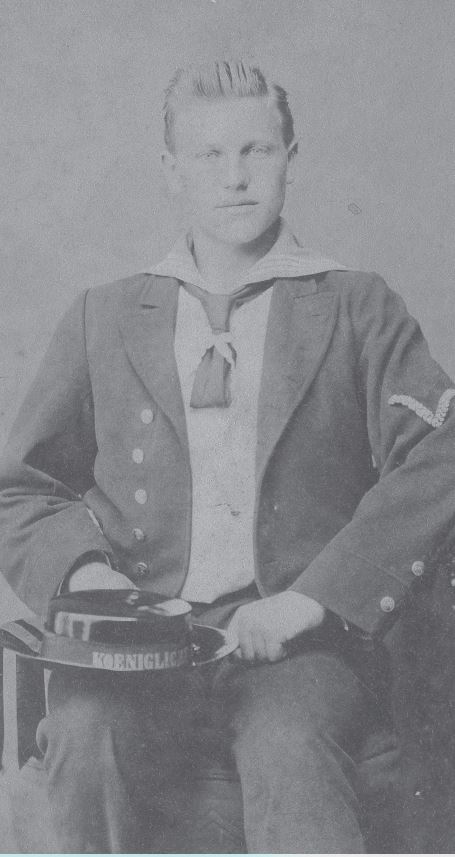
Hans Heinrich Brüning. 1871

Aus diesem Grund wurde zum Gedenken an den 202. Jahrestag der Unabhängigkeit Perus ein altes Foto aus dem Jahr 1871, ursprünglich im Hamburger Museum aufbewahrt und im Artikel des Forschers Thomas Hepfer zum 200-jährigen Jubiläum des Brüning-Museums veröffentlicht sorgfältig rekonstruiert und mithilfe der Kraft künstlicher Intelligenz neu interpretiert, was zu einem beeindruckenden Werk führt. Darin ist der junge Hans im Alter von gerade einmal 23 Jahren im Dienst der preußischen Marine sehr detailliert zu sehen.

Die Größe dieses außergewöhnlichen Charakters liegt in seiner akribischen Anwendung wissenschaftlicher Methoden und dem Einsatz fortschrittlicher Technologien, um alles, was er beobachtet und erlebt hat, zu dokumentieren. Mit einer hochmodernen Kamera, dem revolutionären Phonographen, der von Thomas Alva Edison erfunden wurde, und anderen Werkzeugen erfasste sein scharfsinniger und gebildeter Geist jedes noch so kleine Detail seiner Untersuchungen.
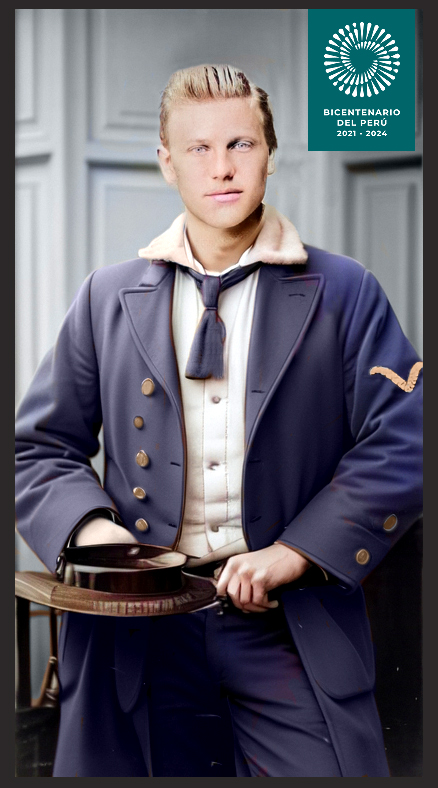
Komposition von Hans Heinrich Brüning aus einem Originalfoto mit Unterstützung künstlicher Intelligenz.

Diese erstaunliche Leistung wurde dank der Talente von Tanda 360-Regisseur Jhalil J. Moreno Caparó und den wertvollen Beiträgen von Olga Yarlequé, Christian Miranda und Grover Panez erreicht, die dem, was viele als das deutsche Äquivalent des legendären Indiana Jones betrachten, Tribut gezollt haben , nicht nur für seine unerschütterliche Leidenschaft und seinen Respekt für die peruanische Archäologie und Ethnographie, sondern auch für sein Engagement und seinen herzlichen Einsatz für die Erhaltung des kulturellen Erbes des Landes und dass es Brüning trotz seiner deutschen Herkunft hier im Staatsgebiet gut geht geliebt wie ein weiterer Peruaner.

BRÜNING: The AI rescues an old photograph of the German who saved northern Peru.

VERSIÓN ESPAÑOL

At the end of the 19th century, the lands of Lambayeque witnessed the arrival of a young German engineer with a brilliant mind and an adventurous spirit.

Hans Heinrich Brüning, scholar in mathematics, science
natural, mineralogy, mechanics, construction
of machines, technology, among others, he was initially destined to provide services in the rich haciendas of northern Peru, there he was captivated by their culture, so great was his passion, that he dedicated the next 50 years of his life to safeguard and preserve cultural heritage.

Brüning's legacy was so immense and the fruits of his efforts so valuable that the nation honored him with the title "Father of Museums."

Hans Heinrich Brüning. 1871

For this reason, in commemoration of the 202nd anniversary of the independence of Peru, an old photograph from 1871, originally preserved in the Museum of Hamburg and published in the article by the researcher Thomas Hepfer, for the bicentennial of the Brüning Museum, has been carefully reconstructed and reinterpreted using the power of artificial intelligence, resulting in an impressive work. In it you can see in great detail the young Hans with just 23 years of age serving the Prussian navy.

The greatness of this exceptional character lies in his meticulous application of the scientific method and the adoption of advanced technologies to document everything he observed and experienced. With a state-of-the-art camera, the revolutionary phonograph invented by Thomas Alva Edison, and other tools, his keen and well-educated mind captured every minute detail in his investigations.

Composition by Hans Heinrich Brüning from an original photo with the support of artificial intelligence.

This amazing achievement has been accomplished thanks to the talents of Tanda 360 director Jhalil J. Moreno Caparó, and the valuable contributions of Olga Yarlequé, Christian Miranda and Grover Panez, who have paid homage to what many would consider the German equivalent of iconic Indiana Jones, not only for his unwavering passion and respect for Peruvian archeology and ethnography, but also for his dedication and heartfelt dedication to the preservation of the country's cultural heritage and is that Brüning, despite having a German origin, here in the national territory he is well loved as one more Peruvian.

BRÜNING: La IA rescata fotografía antigua del alemán que salvó el norte del Perú.

ENGLISH VERSION

A finales del siglo XIX, las tierras lambayecanas fueron testigo de la llegada de un joven ingeniero alemán con una mente brillante y un espíritu aventurero.

Hans Heinrich Brüning, erudito en matemáticas, ciencias
naturales, mineralogía, mecánica, construcción
de máquinas, tecnología, entre otros, estuvo inicialmente destinado a prestar servicios en las ricas haciendas del norte del Perú, ahí se vio cautivado por su cultura, tan grande fue su pasión, que dedicó los siguientes 50 años de su vida a salvaguardar y preservar el patrimonio cultural.

El legado de Brüning fue tan inmenso y los frutos de su esfuerzo tan valiosos que la nación lo honró con el título de "Padre de los Museos".

Hans Heinrich Brüning. 1871

Por esta razón, en conmemoración del 202 aniversario de la independencia del Perú, una antigua fotografía de 1871, originalmente conservada en el Museo de Hamburgo y publicada en el artículo del investigador Thomas Hepfer, por el bicentenario del Museo Brüning, ha sido cuidadosamente reconstruida y reinterpretada utilizando el poder de la inteligencia artificial, dando como resultado una impresionante obra. En ella se puede ver con lujo de detalles al joven Hans con apenas 23 años de edad prestando servicios a la marina prusiana.

La grandeza de este excepcional personaje radica en su aplicación meticulosa del método científico y la adopción de tecnologías avanzadas para documentar todo lo que observaba y experimentaba. Con una moderna cámara, el revolucionario fonógrafo inventado por Thomas Alva Edison y otras herramientas, su mente aguda e instruida capturaba hasta el más mínimo detalle en sus investigaciones.

Composición de Hans Heinrich Brüning a partir de foto original con apoyo de la IA.

Este logro asombroso ha sido llevado a cabo gracias al talento del director de Tanda 360, Jhalil J. Moreno Caparó, y las valiosas aportaciones de Olga Yarlequé, Christian Miranda y Grover Panez, quienes han rendido homenaje a lo que muchos considerarían el equivalente alemán del icónico Indiana Jones, no solo por su inquebrantable pasión y respeto hacia la arqueología y etnografía peruana, sino también por su entrega y dedicación de corazón a la preservación de la herencia cultural del país y es que Brüning, a pesar de tener un origen alemán, aquí en el territorio nacional es bien querido como un peruano más.

Auch Hans Heinrich Brüning bleibt von Künstlicher Intelligenz nicht verschont

English version | Versión en español

VERSIÓN ESPAÑOL

Als Zeichen für den intensiven Fortschritt der künstlichen Intelligenz bei der Nachbildung utopischer Szenarien und Charaktere blieb diesmal auch „Der Vater der Museen“ nicht verschont, Juan Enrique Brüning, ein Deutscher, der Ende des 19. Jahrhunderts in Peru lebte und sich widmete 50 Jahre seines Lebens dokumentieren mit Fotografien, Aufnahmen und Notizen die gesamte Kultur Nordperus.

Hans Heinrich Brúning es conocido, entre otros méritos, por haber salvado del olvido a la ancestral cultura e idioma Mochica

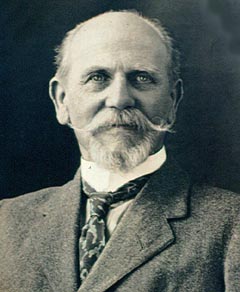
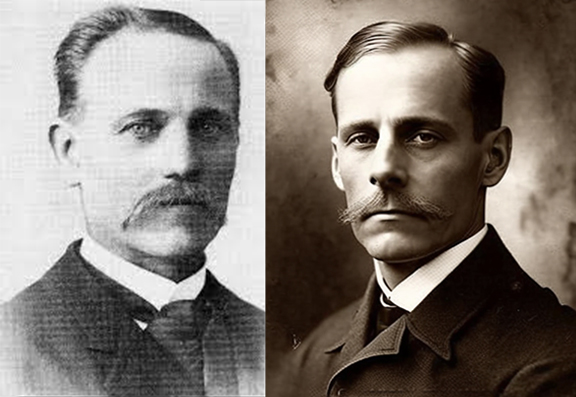
Der proklamierte Vater der Museen von Peru wurde von KI neu interpretiert und das Ergebnis ist sehr eigenartig: Anstatt ein ähnliches Image zu erreichen, hat er es anscheinend vorgezogen, Charaktere zu platzieren, die eher wie Schauspieler aussehen, die bereit sind, ihn in einem zukünftigen Film zu interpretieren .

Links das Originalfoto eines jungen Hans Heinrich Brüning und Rechte der Interpretation künstlicher Intelligenz.

Genau diese gewonnenen Modelle dienen der Entwicklung des Moodboards des Projekts „El Lambayeque de Brüning“, dessen Leiter Jhalil J. Moreno umsetzt.

„AI hilft sehr beim Casting, als Ergänzung zu anderen Ressourcen, seien es Konzeptkunst oder Referenzfotografien. Es wird empfohlen, es wegen seiner Vielseitigkeit und Kosteneinsparungen zu verwenden, wir hoffen, dass es im Laufe der Zeit eine genauere Bilderzeugung erreichen wird Prozesse“.

Jhalil Moreno. Leiter des Projekts El Lambayeque de Brüning.
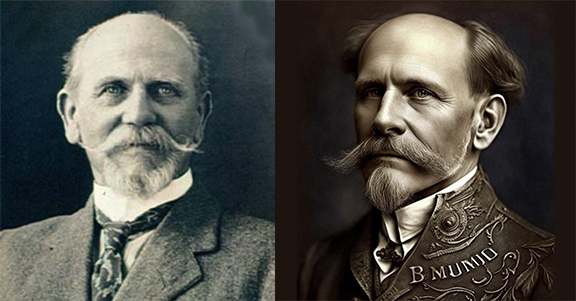
Links das meist erinnerte Bild des Deutschen, rechts die Interpretation der KI.

Es ist auch kurios, wie AI Lambayeque des 19. Jahrhunderts konzipiert hat. Das ist definitiv erst der Anfang. Es hat sich bereits als nützliche Ressource für Filmemacher erwiesen.

Lambayeque Ende des 19. Jahrhunderts laut IA.

Wenn Sie mehr über das Filmprojekt erfahren möchten, können Sie es über den folgenden Link erreichen:

Not even Hans Heinrich Brüning is spared from Artificial Intelligence

VERSIÓN ESPAÑOL

As a sign of the intense progress of artificial intelligence in recreating utopian scenarios and characters, this time "The Father of Museums" was not spared, Hans Heinrich Brüning, a German living in Peru at the end of the 19th century and who dedicated 50 years of his life to document with photographs, recordings and notes the entire culture of northern Peru.

Hans Heinrich Brüning es conocido, entre otros méritos, por haber salvado del olvido a la ancestral cultura e idioma Mochica.

The German has been reinterpreted by the AI and the result is very peculiar: it seems that instead of achieving a similar image, he has preferred to place characters that look more like actors ready to play him in a future film.

On the left the original photograph of a young Hans Heinrich Brüning and on the right the interpretation of artificial intelligence.

Precisely these models obtained will serve to develop the moodboard of the project "El Lambayeque de Brüning", whose director Jhalil J. Moreno is carrying out.

"AI helps a lot in casting, as a complement to other resources, be they conceptual arts or referential photographs. It is recommended to use it for its versatility and cost savings, we hope that over time it will achieve more accuracy in its image generation processes ".

Jhalil Moreno. Director of the El Lambayeque de Brüning project.
On the left, the most remembered image of the German, on the right, the interpretation of the AI.

It is also curious how AI has conceived Lambayeque of the 19th century. This is definitely just the beginning. It's already proven how useful it can be as a resource for filmmakers.

Lambayeque Ende des 19. Jahrhunderts laut IA.

If you want to know more about the film project, you can access it through the following link:

Ni Juan Enrique Brüning se salva de la Inteligencia Artificial

English version | Deutsche Fassung

DEUTSCHE VERSION

Como muestra del intenso avance de la inteligencia articial en recrear escenarios y personajes utópicos, esta vez tampoco se salvó "El Padre de los Museos", Juan Enrique Brüning, alemán radicado en Perú a finales del siglo XIX y que dedicó 50 años de su vida a documentar con fotografías, grabaciones y apuntes toda la cultura del norte peruano.

Juan Enrique Brúning es conocido, entre otros méritos, por haber salvado del olvido a la ancestral cultura e idioma Mochica

El proclamado "Padre de Los Museos" ha sido reinterpretado por la IA y el resultado es muy peculiar: parece que en vez de lograr una imagen semejante ha preferido colocar personajes que más parecen actores listos para interpretarlo en una futura película.

A la izquierda la fotografía original de un joven Juan Enrique Brüning y a la derecha la interpretación de la inteligencia artificial.

Justamente estos modelos obtenidos servirán para desarrollar el moodboard del proyecto "El Lambayeque de Brüning", cuyo director Jhalil J. Moreno está llevando adelante.

"La IA ayuda bastante en el casting, como complemento de los otros recursos, sean artes conceptuales o fotografías referenciales. Es recomendable usarla por su versatilidad y ahorro en los costos, esperemos que con el tiempo logre más exactitud en sus procesos de generación de imagen".

Jhalil Moreno. Director del proyecto El Lambayeque de Brüning.
A la izquierda, la imagen más recordada del alemán, a la derecha, la interpretación de la IA.

Es también curioso como la IA ha concebido a Lambayeque del siglo XIX. Definitivamente esto es solo el comienzo. Ya está demostrado lo útil que puede ser como recurso para los cineastas.

Lambayeque a finales del siglo XIX según la IA.

Si deseas conocer más sobre el proyecto cinematográfico, puedes acceder mediante el siguiente enlace: